Let’s Build Foundation has constructed classroom blocks in seven community day secondary schools (CDSSs) in Dowa District to complement the government’s efforts to improve access to quality education.
Besides the learning facilities, the organisation has also constructed 14 double pit latrines to improve sanitation and hygiene in the beneficiary schools, namely Simbi, Mdika, Chakhaza, Chimwetsero, Nalunga, Kawangwi and Tchale.
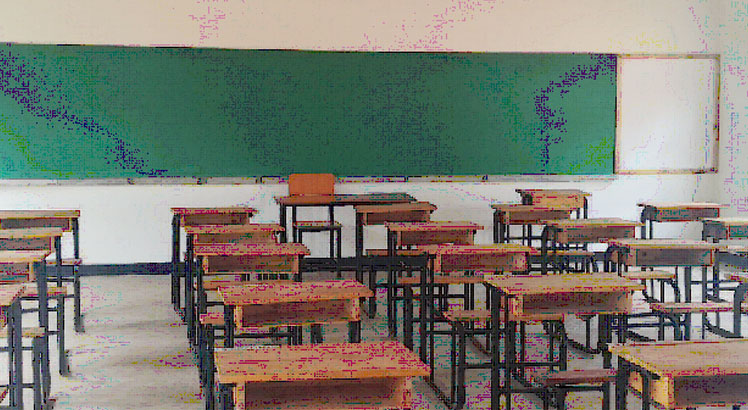
Let’s Build Foundation country representative Ruth Kawale Kamwendo said in an interview that the project at Simbi CDSS alone cost about K1.2 billion because it included two double classroom blocks fitted with furniture for learners and teachers as well as two double pit latrines.
She said the organisation began operations in Malawi in 2022 under the vision “A classroom for everyone” and has since expanded its education infrastructure programme to several districts.
Kawale Kamwendo said that in Lilongwe District, the organisation has completed 48 classroom blocks equivalent to 96 classrooms and 52 pit latrines in 26 CDSSs to the tune of K8 billion.
She also announced plans to begin another phase of construction projects in Dowa targeting Mbalame, Kaungwe and Chibanzi CDSSs.
Simbi CDSS head teacher Jameson Kachipala said the school previously faced challenges due to poor classroom conditions which affected teaching and learning.
“Students were learning in poor conditions. Sometimes classrooms were leaking and we feared the roofs could easily be blown off by wind,” he said.
Minister of Education, Science and Technology Bright Msaka, who received the school blocks on behalf of government on Wednesday, said the development aligns with government’s commitment to expanding access to secondary education under the free secondary education policy.
“So with free secondary education, we needed more learning infrastructure. This is the answer,” he said.
Let’s Build Foundation is a Norwegian non-profit organisation established in 2020 to support public education infrastructure development in developing countries under the vision “A classroom for everyone.”